Elektronika & Kelistrikan
Keypad Karet Silikon Khusus untuk Kontrol Elektronik
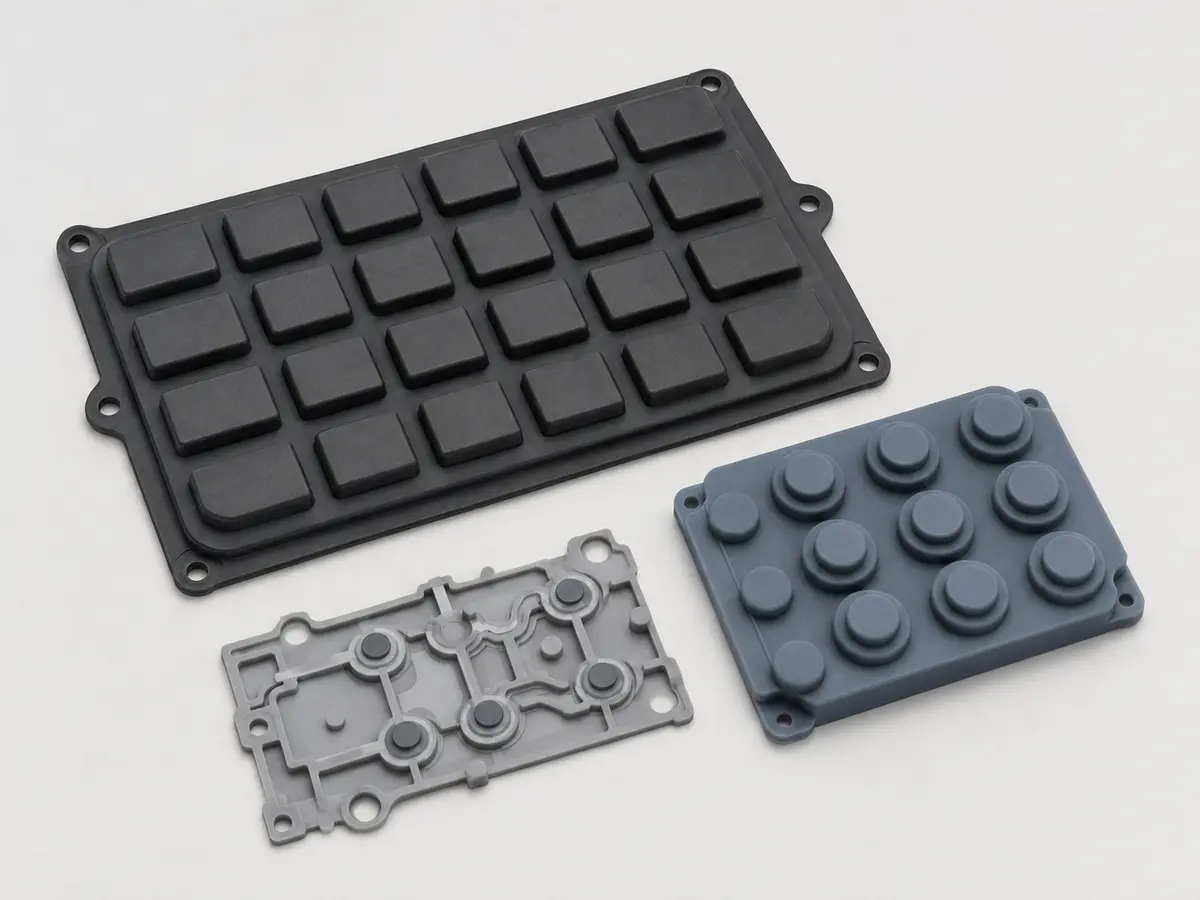
Keypad silikon berbasis gambar untuk panel kontrol, instrumen, dan antarmuka elektronik tertutup.
Lihat detail produk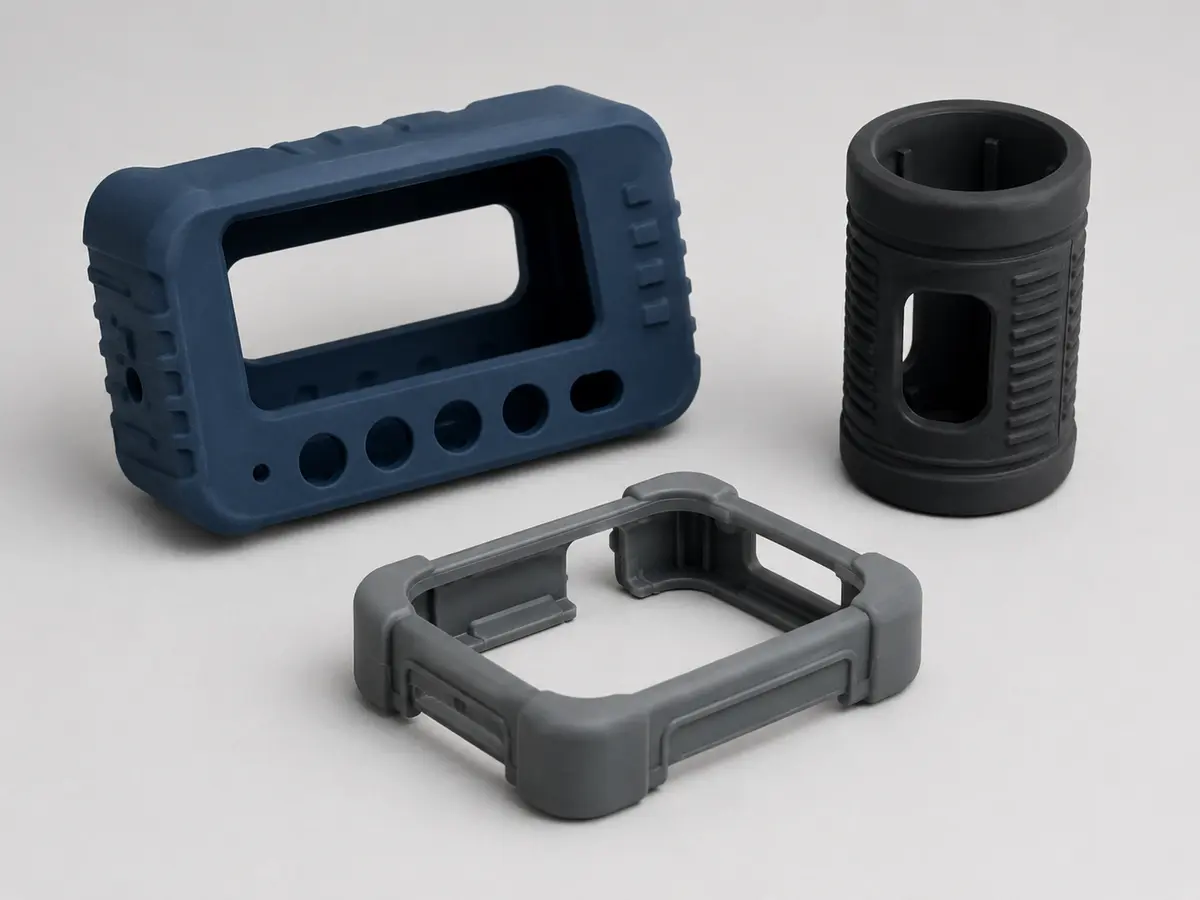
Penutup cetakan fleksibel untuk instrumen, produk optik, sensor, dan subrakitan elektronik.
A silicone boot or sleeve can cushion impact, improve grip, block dust and protect exposed device surfaces. The design should balance wall thickness, stretch during installation, retention features, button or port openings and the risk of tearing at corners.
Sarung Pelindung dan Selongsong Silikon untuk Perangkat Elektronik Produk ini disediakan sebagai komponen B2B khusus untuk program OEM, ODM, dan manufaktur kontrak. Produk ini bukanlah barang ritel siap pakai yang tersedia secara umum. Geometri, bahan, kekerasan, warna, toleransi, inspeksi, dan pengemasan dikembangkan berdasarkan gambar yang disediakan pelanggan serta kondisi di mana komponen tersebut akan dirakit dan digunakan. MadeForSilicone meninjau data 2D/3D yang tersedia sebelum menyiapkan penawaran harga untuk pembuatan cetakan dan produksi.
| Produk | Sarung Pelindung dan Selongsong Silikon untuk Perangkat Elektronik |
|---|---|
| Rute material | Solid silicone rubber in project-defined hardness and color |
| Proses pencetakan | Compression molding with optional secondary finishing |
| Penyesuaian | Dimensi berdasarkan gambar, kekerasan, warna, permukaan, fitur fungsional, dan rencana pemeriksaan |
| Aplikasi yang umum | Instruments, sensors, optical devices, handheld industrial electronics |
| MOQ | Berbasis proyek; dievaluasi berdasarkan peralatan, bahan, penanganan sisipan, ruang lingkup pemeriksaan, dan perkiraan pesanan |
| Format penyediaan | Komponen cetakan khusus, dengan proses lanjutan atau subrakitan yang dievaluasi jika ditentukan |
Electronic interfaces must be reviewed as an assembly rather than as an isolated rubber part. Our engineering review considers the enclosure, PCB or sensor position, cable path, mating plastic or metal, installation direction and the zones that must remain free of flash. Nominal dimensions alone are not enough: tolerance stack-up, compression after assembly, operator handling and access to ports or contacts can change the result. Early DFM feedback is used to identify practical parting lines, shutoff surfaces, draft, venting and inspection datums before tooling is released.
For this silicone protective boots and sleeves for electronic devices program, the first review compares the functional intent with the information listed in the RFQ. The engineering team then confirms which features are critical, which surfaces are cosmetic, where measurement datums should be placed and how the part can be removed from the mold without damaging thin or retained features. Any recommendation is returned for customer approval before tool manufacture.
Uraian awal mengenai bahan tersebut adalah Solid silicone rubber in project-defined hardness and color, dan jalur produksi yang direncanakan adalah Compression molding with optional secondary finishing. Entri-entri ini merupakan titik awal, bukan pengganti dari pemeriksaan terhadap persyaratan suhu, media, pembersihan, pergerakan, beban, kelistrikan, atau kontak. Tingkat kualitas yang tepat serta dokumentasi khusus apa pun ditetapkan dalam spesifikasi yang telah disetujui.
Material and molding route are selected after the working environment and order profile are understood. Solid silicone compression molding can suit many boots, keypads and sealing parts, while LSR injection molding can support fine features, repeatability and insert encapsulation. Secondary printing, coating, laser marking, trimming or assembly is evaluated only when required by the drawing. For parts that touch cables, sensors or housings, the insert fixture and allowable molding temperature are reviewed to reduce movement, contamination or damage during production.
The control plan focuses on the interfaces that affect electrical assembly and environmental protection. Typical checks include drawing dimensions at mating areas, surface and flash review, correct material and color, fit with approved mating samples, and project-defined sealing, tactile, pull or functional tests. Test conditions and acceptance limits must be agreed before samples are evaluated; results are not inferred from the material name alone.
For Silicone Protective Boots and Sleeves for Electronic Devices, a practical control plan may cover the following items. Final limits, gauges, fixtures and sampling frequency are established from the customer drawing, approved samples and purchase requirements.
Urutan proyek yang umum meliputi tinjauan gambar, klarifikasi teknis, penawaran harga, konfirmasi DFM, pembuatan cetakan, pengambilan sampel produk pertama, evaluasi pelanggan, dan produksi massal terkendali. Ketika sampel fisik tersedia, sampel tersebut dapat mendukung proses tinjauan; namun, gambar yang telah disetujui tetap direkomendasikan untuk pesanan berulang. Penetapan harga perkakas dan satuan disiapkan setelah bahan, strategi rongga, operasi sekunder, ruang lingkup inspeksi, dan perkiraan volume dipahami. Oleh karena itu, jadwal prototipe dan produksi bergantung pada geometri aktual dan rencana persetujuan, bukan pada waktu tunggu katalog umum.
Setelah menerima umpan balik atas sampel, perubahan yang telah disepakati dicatat sebelum uji coba berikutnya atau peluncuran produksi. Karakteristik kritis dapat dihubungkan dengan laporan inspeksi, perlengkapan perakitan, atau uji fungsional sesuai kesepakatan proyek. Pendekatan ini memberikan tim pembelian, teknik, dan kualitas satu spesifikasi yang sama ketika komponen tersebut berpindah dari tahap pengembangan ke tahap produksi massal.
These components are commonly sourced by electronics OEMs, contract manufacturers, instrument builders and sensor companies that need a drawing-controlled silicone part integrated into an existing assembly. Typical uses for this product family include:
Please also state prototype quantity, first-order quantity and estimated annual demand. If a requirement is still under development, identify it as a target so it can be separated from a firm acceptance criterion. Drawings and models are handled as project information and are used to evaluate manufacturability, material, tooling and inspection needs.
Yes. Silicone Protective Boots and Sleeves for Electronic Devices is developed from customer requirements. A 3D model plus a toleranced 2D drawing gives the clearest basis for tooling and inspection. A physical sample or mating component can help us understand fit and function, but dimensions, material and acceptance tests should be documented before repeat production.
The initial route is solid silicone rubber in project-defined hardness and color. Options can include full-cover, partial-cover and frame-style structures and textured grip zones and smooth cleaning surfaces. The final combination is selected after the operating environment, mating parts and validation method are reviewed; no material grade or compliance claim is assumed without a project specification.
Key factors include part size and complexity, mold cavities, undercuts or inserts, selected material, secondary operations, inspection fixtures, sample quantity and forecast volume. MOQ is therefore project-based. Send the RFQ information above, and we can prepare a manufacturing proposal and quotation for your engineering and purchasing review.
Keypad silikon berbasis gambar untuk panel kontrol, instrumen, dan antarmuka elektronik tertutup.
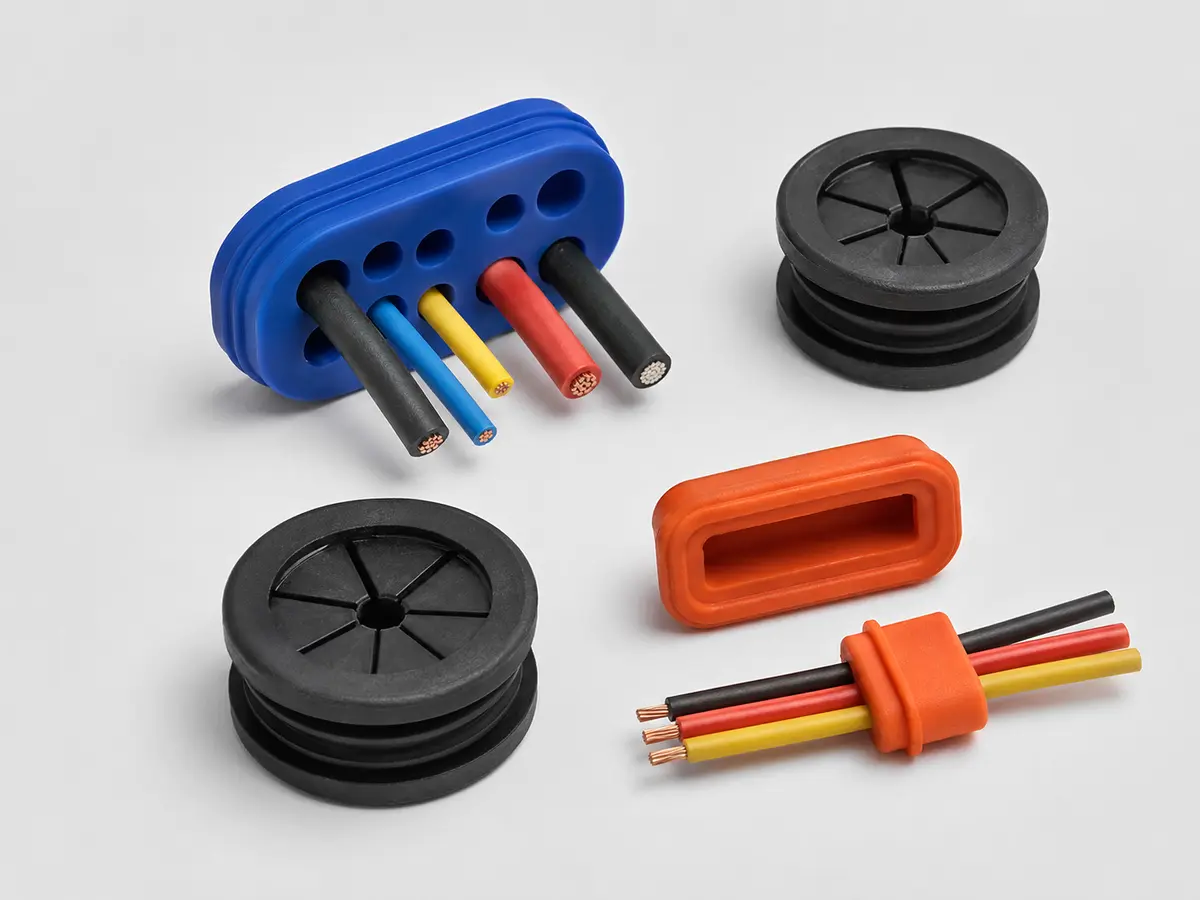
Lihat detail produkSegel antarmuka konektor khusus, grommet kabel, dan segel kabel berlubang ganda untuk rakitan elektronik.
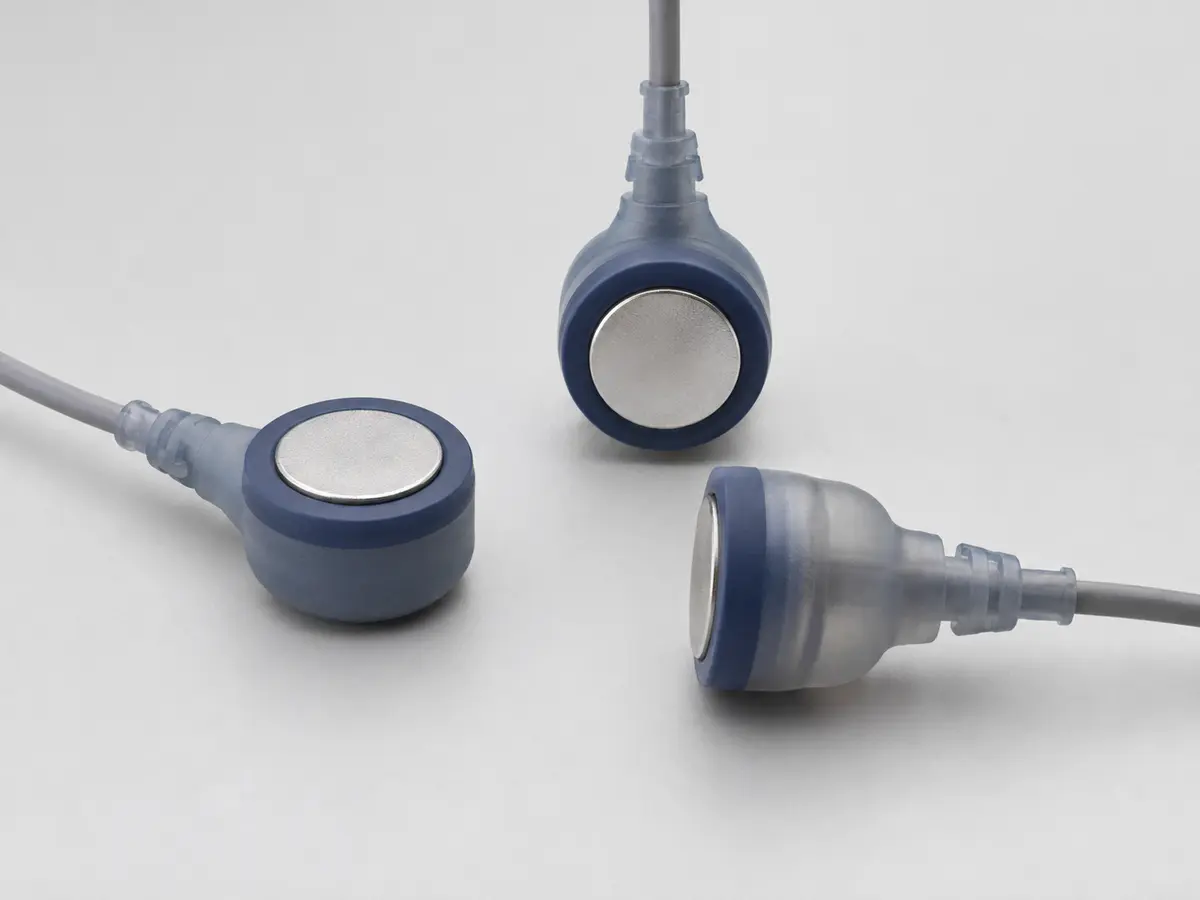
Lihat detail produkEnkapsulasi karet silikon cair untuk rakitan sensor tertentu yang memerlukan perlindungan terhadap kondisi lingkungan.
Lihat detail produkKirimkan informasi mengenai bahan, dimensi, lingkungan penggunaan, dan perkiraan jumlahnya. Tim kami akan meninjau proyek tersebut dan menentukan langkah rekayasa selanjutnya.