ชิ้นส่วนอุตสาหกรรมตามสั่ง
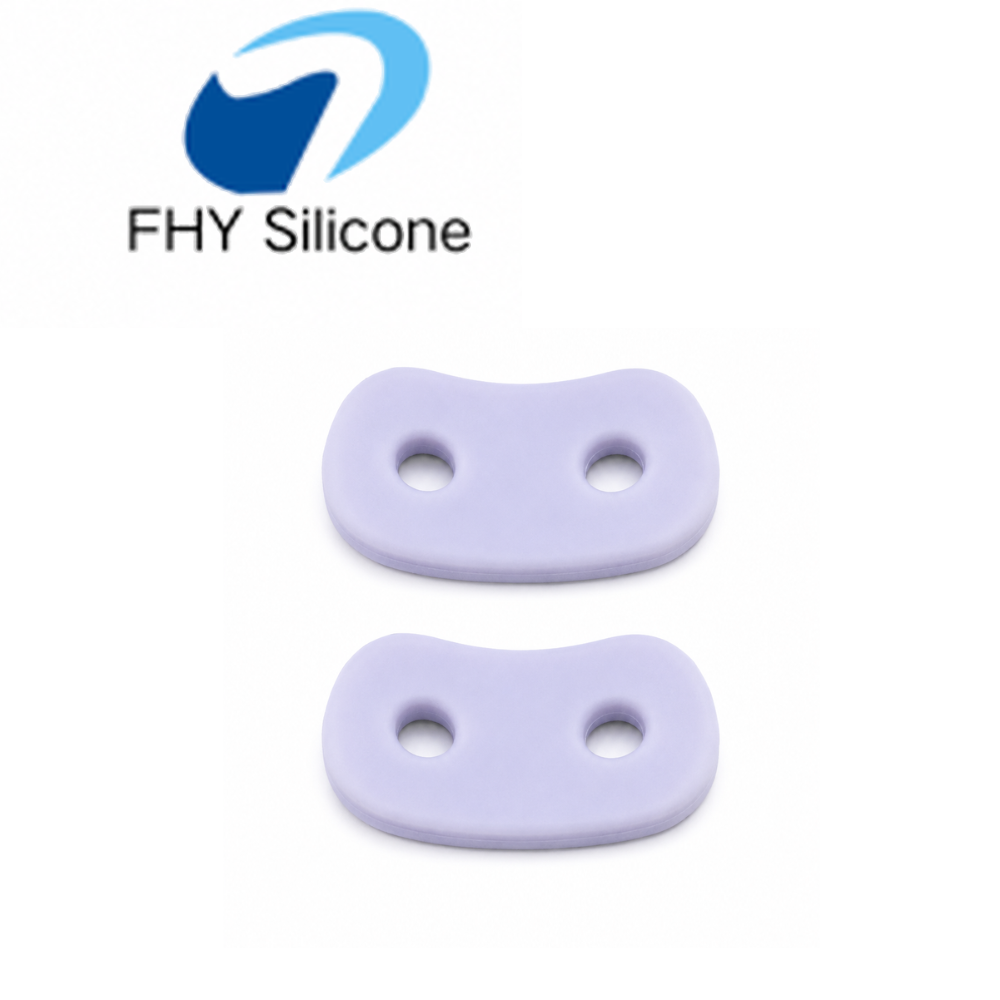
แผ่นปะซิลิโคนรูปโค้งที่มีรูสองรู สำหรับพื้นผิวติดตั้ง
แผ่นปะเก็นซิลิโคนรูปโค้งที่มีรูสองรู สำหรับพื้นผิวการติดตั้ง ชิ้นส่วนซิลิโคนอุตสาหกรรมที่ผลิตตามสั่ง สำหรับโครงการ OEM และโครงการอุตสาหกรรม.
View product details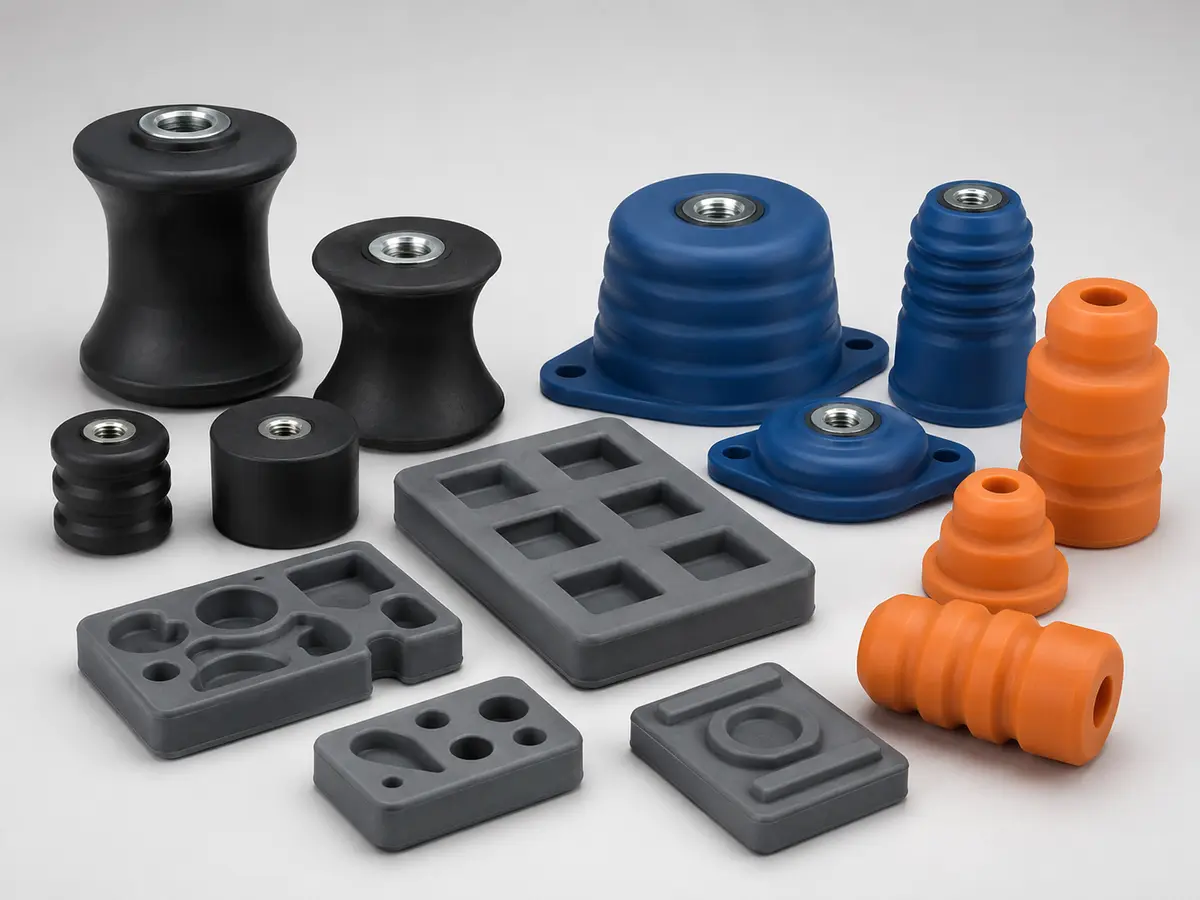
บัมเปอร์ สต็อป เท้า และแผ่นลดแรงสั่นสะเทือนที่ผลิตตามสั่ง สำหรับเครื่องจักร เครื่องมือ และอุปกรณ์ความแม่นยำ.
Silicone buffer components can absorb contact energy, reduce noise and isolate an assembly. Performance depends on hardness, geometry, compression, load area, frequency and whether the part is bonded, fastened, pressed or overmolded into place.
แผ่นบุฟเฟอร์ซิลิโคนและชิ้นส่วนลดการสั่นสะเทือน ผลิตภัณฑ์นี้ถูกจัดส่งเป็นชิ้นส่วน B2B ที่ผลิตตามสั่ง สำหรับโครงการ OEM, ODM และการผลิตตามสัญญา ไม่ใช่สินค้าขายปลีกสำเร็จรูปที่มีในสต็อก รูปทรง วัสดุ ความแข็ง สี ค่าความคลาดเคลื่อน การตรวจสอบ และบรรจุภัณฑ์ ได้รับการพัฒนาจากแบบวาดของลูกค้าและเงื่อนไขในการประกอบและใช้งานชิ้นส่วน MadeForSilicone จะตรวจสอบข้อมูล 2D/3D ที่มีอยู่ก่อนที่จะจัดทำใบเสนอราคาสำหรับเครื่องมือและกระบวนการผลิต.
| ผลิตภัณฑ์ | แผ่นบุฟเฟอร์ซิลิโคนและชิ้นส่วนลดการสั่นสะเทือน |
|---|---|
| เส้นทางหลัก | Solid silicone rubber in application-matched hardness |
| กระบวนการขึ้นรูป | Compression molding; insert molding available for suitable structures |
| การปรับแต่ง | ขนาดที่ระบุจากแบบวาด ความแข็ง สี พื้นผิว คุณสมบัติการใช้งาน และแผนการตรวจสอบ |
| การใช้งานทั่วไป | Equipment feet, machine stops, impact buffers, instrument supports, anti-rattle parts |
| จำนวนสั่งซื้อขั้นต่ำ (MOQ) | แบบโครงการ; ประเมินจากอุปกรณ์เครื่องมือ วัสดุ การจัดการใบตัด ขอบเขตการตรวจสอบ และการคาดการณ์คำสั่งซื้อ |
| รูปแบบการจัดส่ง | ชิ้นส่วนที่หล่อตามแบบเฉพาะ โดยจะพิจารณาการดำเนินการขั้นต่อไปหรือการประกอบย่อยตามข้อกำหนด |
Industrial custom silicone parts are developed around the function of the complete equipment assembly. The review covers loads, movement, available space, mounting method, airflow or protective path, required openings and the way the flexible part will be installed and serviced. Wall transitions, deep ribs, undercuts, closed sections and textured zones are checked for material flow and demolding. Where several functions are combined, each seal, cushion, membrane, duct or locating feature is assigned a priority so tooling compromises do not unintentionally affect the main performance requirement.
For this silicone buffer pads and vibration-damping components program, the first review compares the functional intent with the information listed in the RFQ. The engineering team then confirms which features are critical, which surfaces are cosmetic, where measurement datums should be placed and how the part can be removed from the mold without damaging thin or retained features. Any recommendation is returned for customer approval before tool manufacture.
คำอธิบายเบื้องต้นเกี่ยวกับวัสดุคือ Solid silicone rubber in application-matched hardness, และเส้นทางการผลิตที่คาดการณ์ไว้คือ Compression molding; insert molding available for suitable structures. ข้อมูลเหล่านี้เป็นจุดเริ่มต้นเท่านั้น ไม่ใช่การแทนที่การตรวจสอบข้อกำหนดเกี่ยวกับอุณหภูมิ สื่อการเพาะเลี้ยง การทำความสะอาด การเคลื่อนที่ การโหลด ระบบไฟฟ้า หรือการติดต่อ ข้อกำหนดระดับคุณภาพที่แม่นยำและเอกสารพิเศษใดๆ จะได้รับการยืนยันในข้อกำหนดที่ได้รับการอนุมัติ.
Solid silicone compression molding, LSR injection molding or insert overmolding is selected after geometry, material, annual volume and secondary operations are reviewed. Tool construction must provide a practical parting line, venting, core removal and flash-control approach for the actual shape. Hardness, color and surface texture are project variables rather than fixed catalogue choices. Trimming, bonding, insert loading, marking or subassembly can be evaluated when the customer supplies measurable acceptance criteria.
The control plan is built from the product function and drawing datums. Dimensional checks focus on installation and mating features; visual criteria define flash, surface, color and permitted marks; and a fixture or functional test evaluates the real use condition. Depending on the part, this may include deflection under load, airflow fit, retention, movement, impact cushioning or assembly checks. Inspection methods for soft parts are agreed to avoid distortion from uncontrolled measuring force.
For Silicone Buffer Pads and Vibration-Damping Components, a practical control plan may cover the following items. Final limits, gauges, fixtures and sampling frequency are established from the customer drawing, approved samples and purchase requirements.
ลำดับขั้นตอนโครงการทั่วไป ได้แก่ การตรวจสอบแบบวาด การชี้แจงทางเทคนิค การเสนอราคา การยืนยัน DFM การผลิตแม่พิมพ์ การผลิตตัวอย่างชิ้นแรก การประเมินจากลูกค้า และการผลิตจำนวนมากแบบควบคุม เมื่อมีตัวอย่างจริงแล้ว สามารถใช้สนับสนุนการตรวจสอบได้ แต่สำหรับคำสั่งซื้อซ้ำ ยังแนะนำให้ใช้แบบวาดที่ได้รับการควบคุม ราคาเครื่องมือและราคาต่อหน่วยจะถูกกำหนดหลังจากเข้าใจวัสดุ กลยุทธ์การจัดวางช่องแม่พิมพ์ ขั้นตอนการผลิตเพิ่มเติม ขอบเขตการตรวจสอบ และปริมาณการผลิตที่คาดการณ์ได้ ดังนั้น ระยะเวลาในการผลิตต้นแบบและผลิตจริงจึงขึ้นอยู่กับรูปทรงจริงและแผนการอนุมัติ มากกว่าที่จะขึ้นอยู่กับระยะเวลาการส่งมอบตามแคตตาล็อกทั่วไป.
หลังจากได้รับข้อเสนอแนะจากตัวอย่างแล้ว การเปลี่ยนแปลงที่ได้รับการตกลงจะได้รับการบันทึกไว้ก่อนการทดลองครั้งต่อไปหรือการปล่อยผลิตภัณฑ์สู่ตลาด คุณสมบัติสำคัญสามารถเชื่อมโยงกับรายงานการตรวจสอบ อุปกรณ์จับยึด หรือการทดสอบการทำงาน ตามข้อตกลงของโครงการ วิธีการนี้ช่วยให้ทีมจัดซื้อ ทีมวิศวกรรม และทีมคุณภาพมีข้อกำหนดร่วมกันเมื่อชิ้นส่วนย้ายจากขั้นตอนการพัฒนาไปสู่การผลิตซ้ำ.
These made-to-drawing components serve equipment builders, optical and instrument manufacturers, automation projects and specialty OEM/ODM assemblies that require non-standard silicone geometry. Typical uses for this product family include:
โปรดระบุจำนวนต้นแบบ จำนวนในคำสั่งซื้อครั้งแรก และความต้องการประจำปีที่คาดการณ์ไว้ด้วย หากข้อกำหนดดังกล่าวยังอยู่ในขั้นตอนการพัฒนา โปรดระบุว่าเป็นเป้าหมาย เพื่อสามารถแยกออกจากเกณฑ์การยอมรับที่แน่นอนได้ แบบวาดและแบบจำลองจะได้รับการจัดการในฐานะข้อมูลโครงการ และใช้เพื่อประเมินความสามารถในการผลิต วัสดุ อุปกรณ์เครื่องมือ และความต้องการในการตรวจสอบ.
Yes. Silicone Buffer Pads and Vibration-Damping Components is developed from customer requirements. A 3D model plus a toleranced 2D drawing gives the clearest basis for tooling and inspection. A physical sample or mating component can help us understand fit and function, but dimensions, material and acceptance tests should be documented before repeat production.
The initial route is solid silicone rubber in application-matched hardness. Options can include pads, feet, stops, washers and custom support geometries and metal or plastic inserts for mounting. The final combination is selected after the operating environment, mating parts and validation method are reviewed; no material grade or compliance claim is assumed without a project specification.
ปัจจัยหลัก ได้แก่ ขนาดและความซับซ้อนของชิ้นส่วน, จำนวนช่องในแม่พิมพ์, ส่วนที่ตัดลึกหรือชิ้นส่วนแทรก, วัสดุที่เลือกใช้, ขั้นตอนการผลิตเพิ่มเติม, อุปกรณ์ตรวจสอบ, จำนวนตัวอย่าง และปริมาณการผลิตที่คาดการณ์ ดังนั้น MOQ จึงขึ้นอยู่กับแต่ละโครงการ โปรดส่งข้อมูล RFQ ข้างต้นมาให้เรา เพื่อที่เราจะได้จัดทำข้อเสนอการผลิตและใบเสนอราคา สำหรับการพิจารณาด้านวิศวกรรมและการจัดซื้อของท่าน.
แผ่นปะเก็นซิลิโคนรูปโค้งที่มีรูสองรู สำหรับพื้นผิวการติดตั้ง ชิ้นส่วนซิลิโคนอุตสาหกรรมที่ผลิตตามสั่ง สำหรับโครงการ OEM และโครงการอุตสาหกรรม.
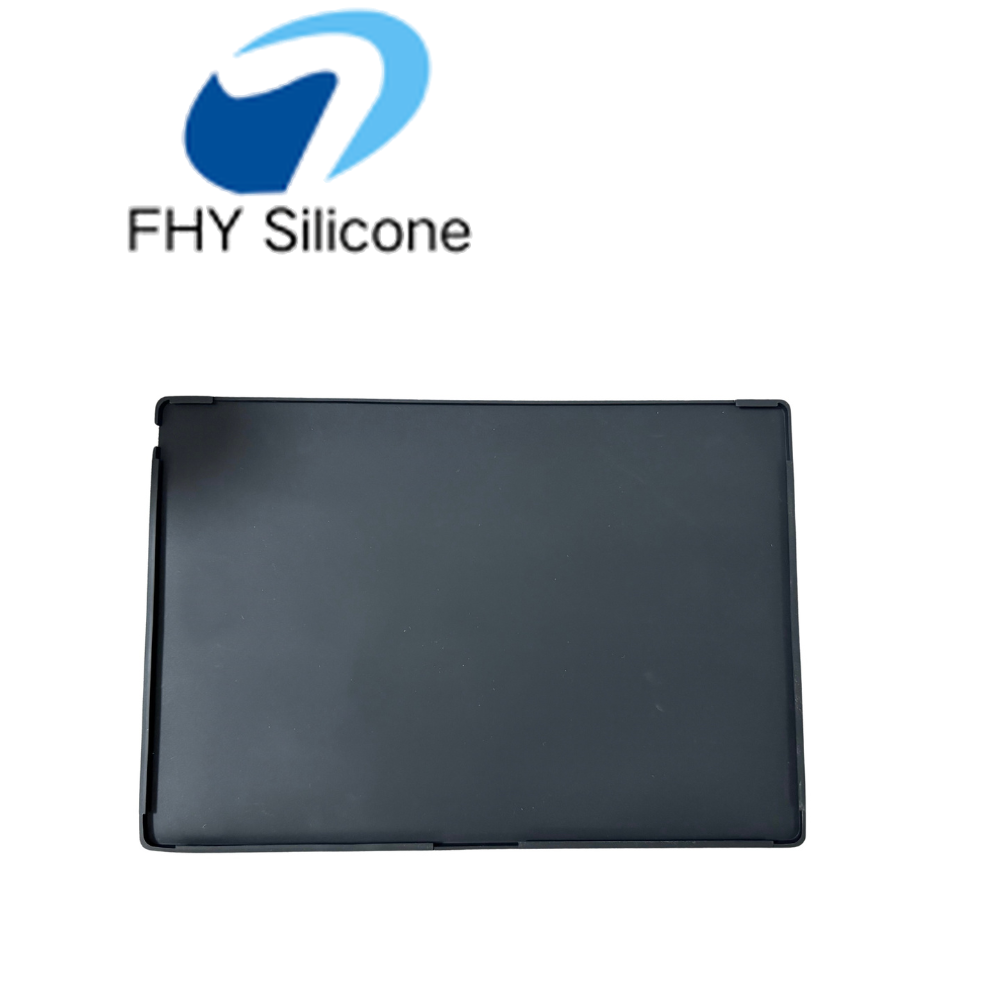
View product detailsแผ่นซิลิโคนกันลื่นแบบเต็มผิวที่ผลิตตามสั่ง สำหรับพื้นผิวอุปกรณ์อุตสาหกรรม ส่วนประกอบซิลิโคนอุตสาหกรรมที่ผลิตตามสั่ง สำหรับ OEM และ...
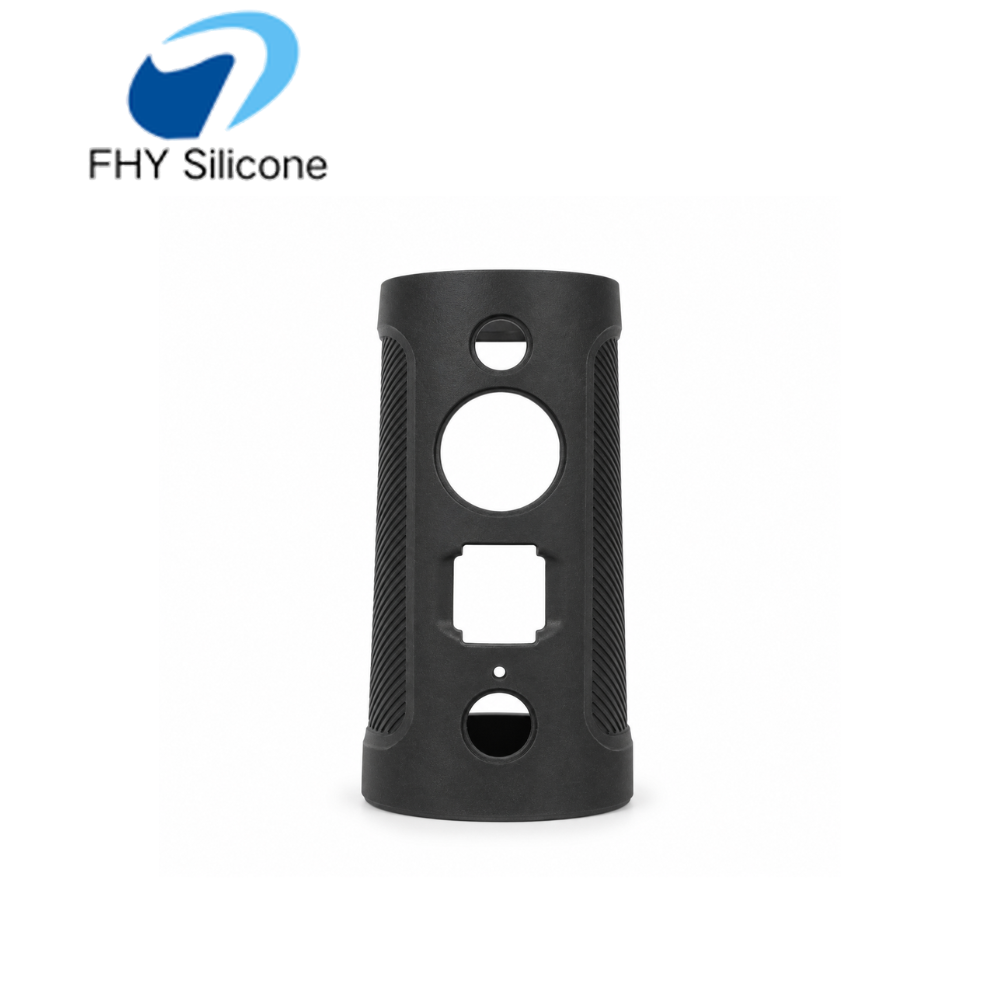
View product detailsปลอกป้องกัน LSR ที่ผลิตตามสั่ง สำหรับกล้องโทรทรรศน์และอุปกรณ์ทางแสง ปลอกป้องกันซิลิโคน LSR นี้เหมาะสำหรับ: ปลอกป้องกัน LSR ที่ผลิตตามสั่งสำหรับอุตสาหกรรม...
View product detailsกรุณาส่งข้อมูลเกี่ยวกับวัสดุ ขนาด สภาพแวดล้อมการใช้งาน และปริมาณที่คาดการณ์ไว้ ทีมของเราจะพิจารณาโครงการและกำหนดขั้นตอนทางวิศวกรรมต่อไป.