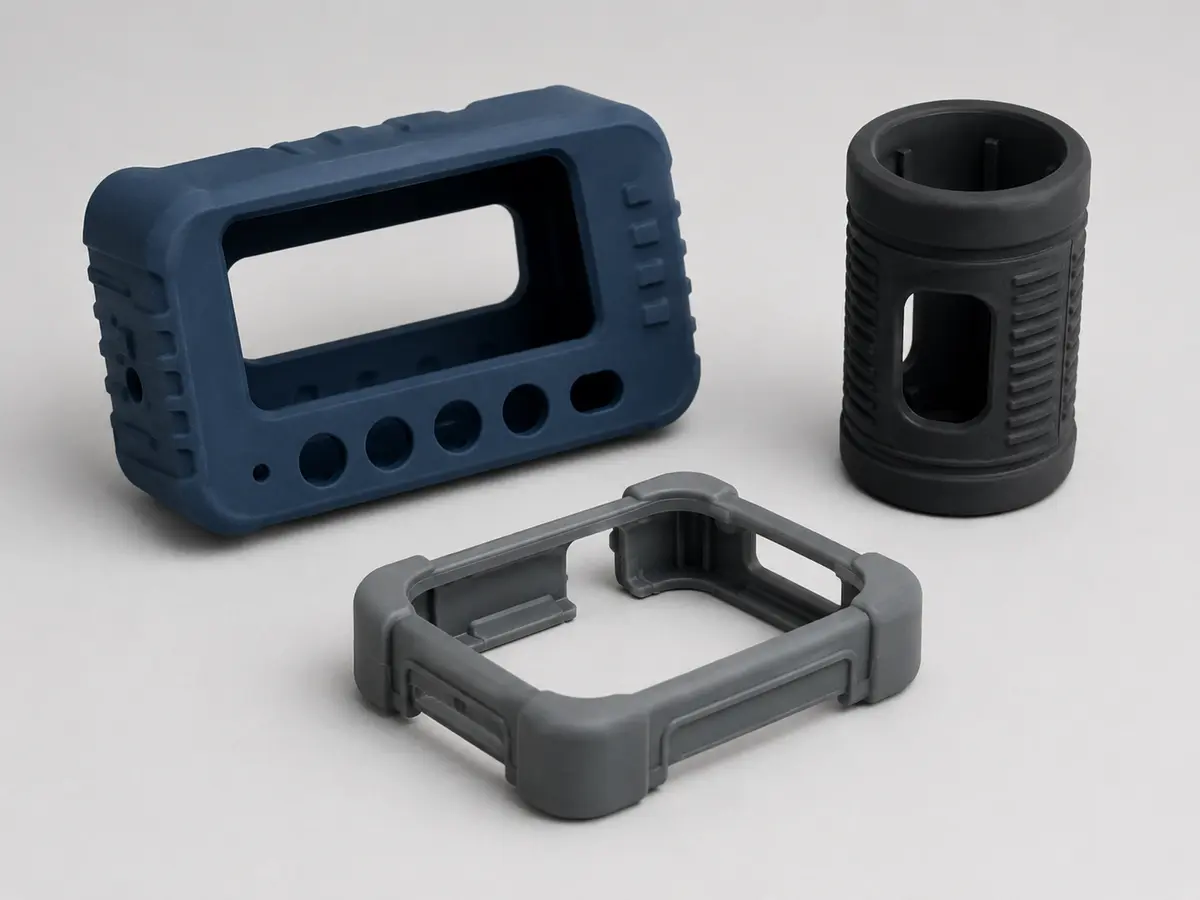
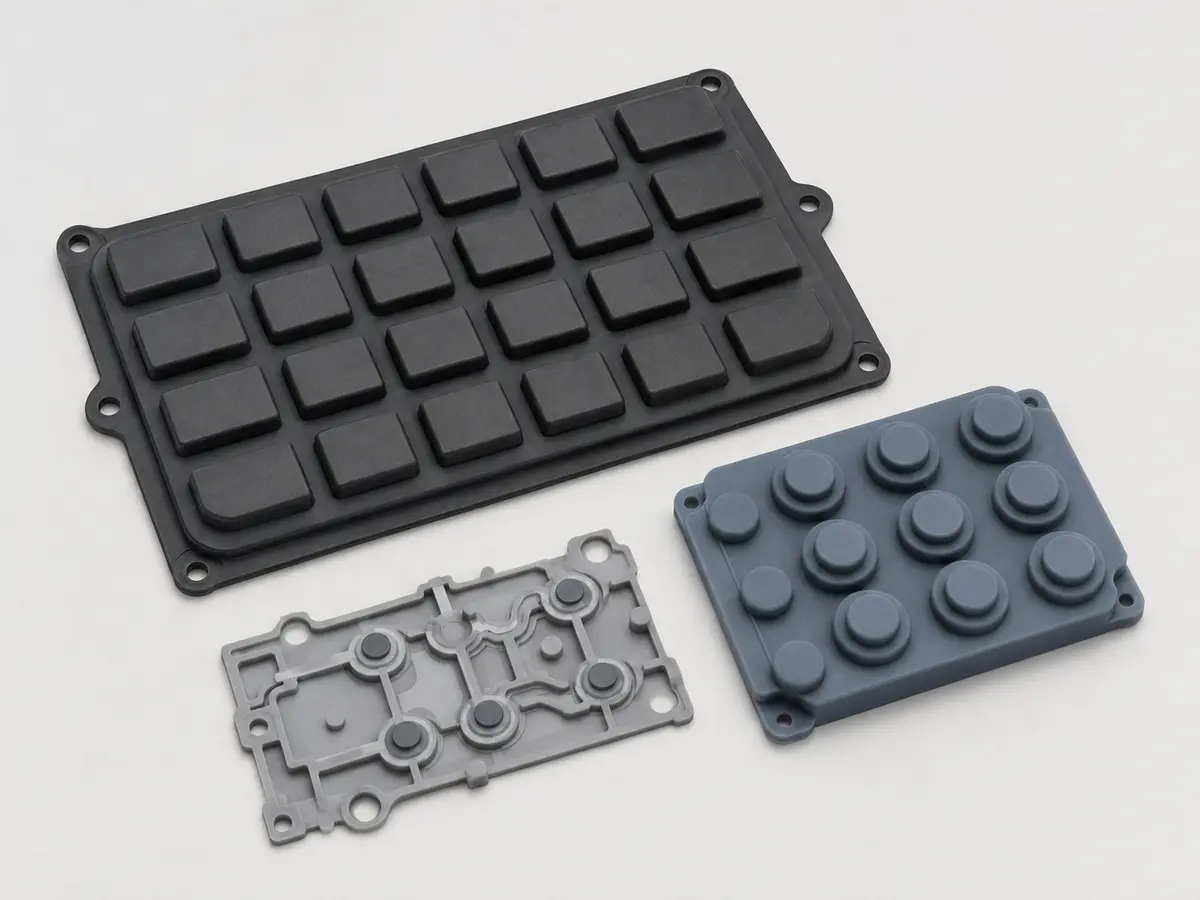
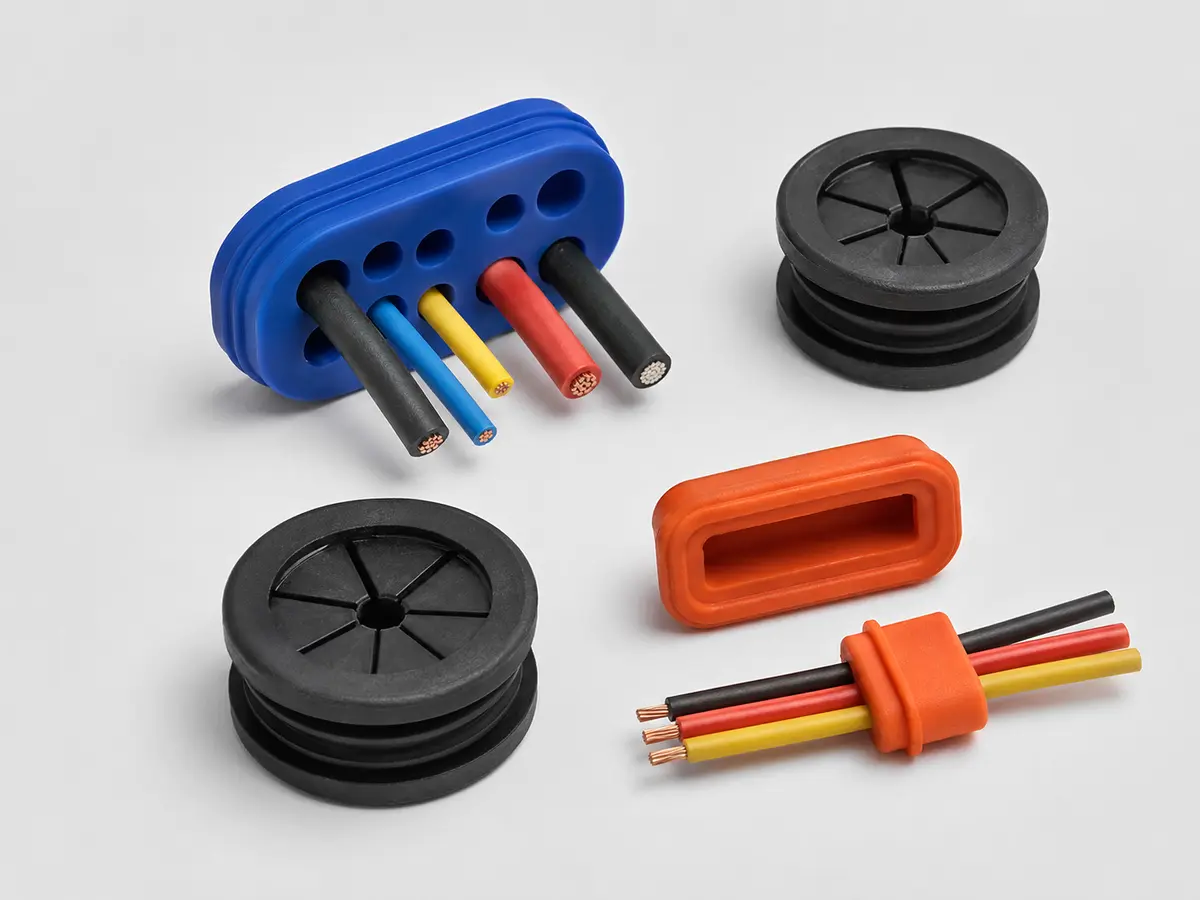
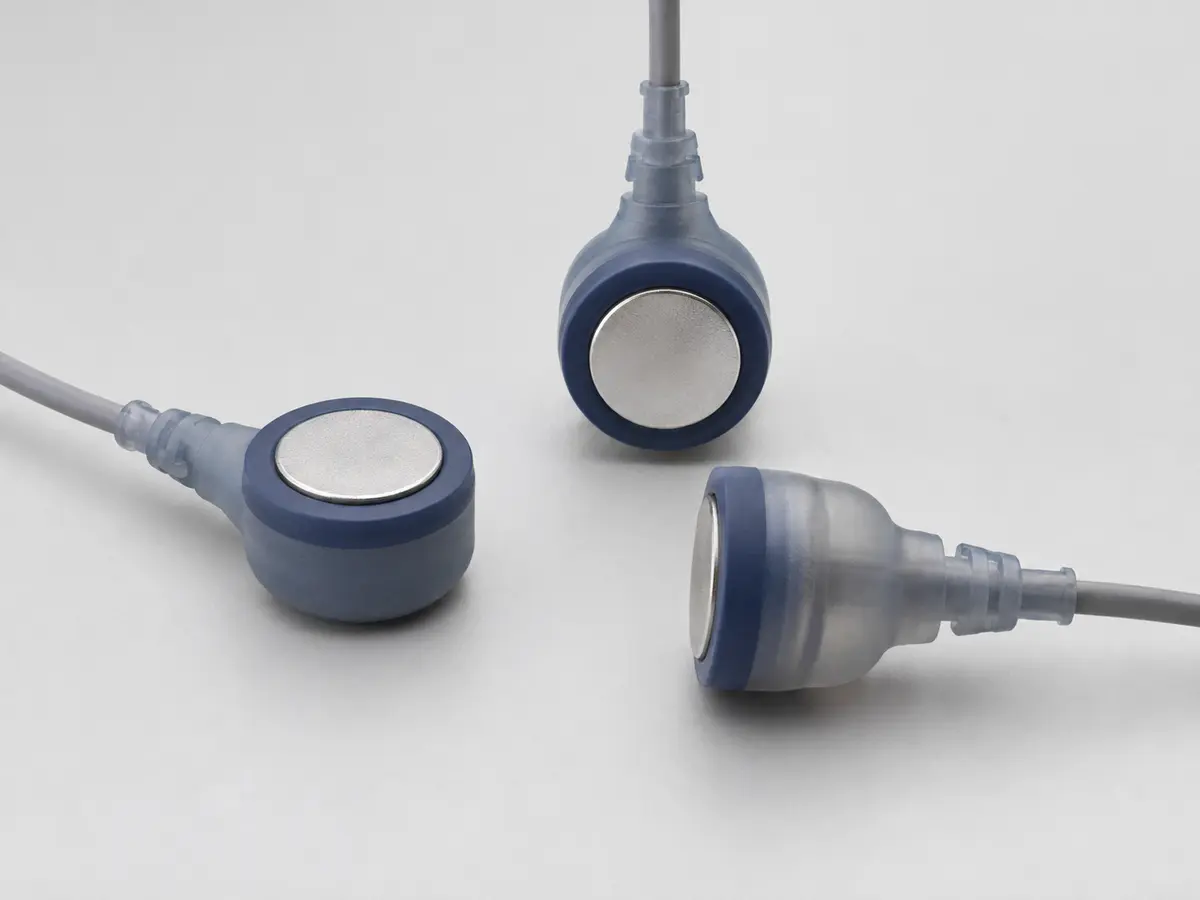
Flexibele, gegoten behuizingen voor instrumenten, optische producten, sensoren en elektronische subassemblages.
Productoverzicht
A silicone boot or sleeve can cushion impact, improve grip, block dust and protect exposed device surfaces. The design should balance wall thickness, stretch during installation, retention features, button or port openings and the risk of tearing at corners.
Beschermhoesjes en -hulzen van siliconen voor elektronische apparaten wordt geleverd als een op maat gemaakte B2B-component voor OEM-, ODM- en contractproductieprogramma’s. Het is geen vast, kant-en-klaar product voor de detailhandel. De geometrie, het materiaal, de hardheid, de kleur, de toleranties, de keuring en de verpakking worden bepaald op basis van de tekening van de klant en de omstandigheden waarin het onderdeel zal worden gemonteerd en gebruikt. MadeForSilicone beoordeelt de beschikbare 2D/3D-gegevens alvorens een offerte voor de matrijzenbouw en productie op te stellen.
Standaardproductspecificatie
| Product |
Beschermhoesjes en -hulzen van siliconen voor elektronische apparaten |
| Materiaalroute |
Solid silicone rubber in project-defined hardness and color |
| Gietproces |
Compression molding with optional secondary finishing |
| Maatwerk |
Op tekeningen gebaseerde afmetingen, hardheid, kleur, oppervlak, functionele kenmerken en inspectieplan |
| Typische toepassingen |
Instruments, sensors, optical devices, handheld industrial electronics |
| Minimale bestelhoeveelheid |
Projectmatig; beoordeeld op basis van gereedschap, materiaal, de afhandeling van wisselplaten, de omvang van de inspectie en de orderprognose |
| Leveringsvorm |
Op maat gevormd onderdeel; eventuele secundaire bewerking of subassemblage wordt beoordeeld indien gespecificeerd |
Technische beoordeling en DFM-beoordeling
Electronic interfaces must be reviewed as an assembly rather than as an isolated rubber part. Our engineering review considers the enclosure, PCB or sensor position, cable path, mating plastic or metal, installation direction and the zones that must remain free of flash. Nominal dimensions alone are not enough: tolerance stack-up, compression after assembly, operator handling and access to ports or contacts can change the result. Early DFM feedback is used to identify practical parting lines, shutoff surfaces, draft, venting and inspection datums before tooling is released.
For this silicone protective boots and sleeves for electronic devices program, the first review compares the functional intent with the information listed in the RFQ. The engineering team then confirms which features are critical, which surfaces are cosmetic, where measurement datums should be placed and how the part can be removed from the mold without damaging thin or retained features. Any recommendation is returned for customer approval before tool manufacture.
Beschikbare ontwerpopties
- Full-cover, partial-cover and frame-style structures
- Textured grip zones and smooth cleaning surfaces
- Openings for lenses, ports, switches and fasteners
- Custom colors, markings and assembly features
Materiaalkeuze en productiemethode
De voorlopige beschrijving van het materiaal luidt als volgt: Solid silicone rubber in project-defined hardness and color, en het verwachte productietraject is Compression molding with optional secondary finishing. Deze gegevens vormen een uitgangspunt en zijn geen vervanging voor het controleren van de vereisten op het gebied van temperatuur, medium, reiniging, beweging, belasting, elektriciteit of contact. De exacte kwaliteitsklassen en eventuele speciale documentatie worden bevestigd in de goedgekeurde specificatie.
Material and molding route are selected after the working environment and order profile are understood. Solid silicone compression molding can suit many boots, keypads and sealing parts, while LSR injection molding can support fine features, repeatability and insert encapsulation. Secondary printing, coating, laser marking, trimming or assembly is evaluated only when required by the drawing. For parts that touch cables, sensors or housings, the insert fixture and allowable molding temperature are reviewed to reduce movement, contamination or damage during production.
Kwaliteitsplanning en projectvalidatie
The control plan focuses on the interfaces that affect electrical assembly and environmental protection. Typical checks include drawing dimensions at mating areas, surface and flash review, correct material and color, fit with approved mating samples, and project-defined sealing, tactile, pull or functional tests. Test conditions and acceptance limits must be agreed before samples are evaluated; results are not inferred from the material name alone.
For Silicone Protective Boots and Sleeves for Electronic Devices, a practical control plan may cover the following items. Final limits, gauges, fixtures and sampling frequency are established from the customer drawing, approved samples and purchase requirements.
- Critical interface dimensions and tolerance stack-up
- Flash, surface, color and molded-feature inspection
- Fit check with approved PCB, housing, cable or sensor samples
- Project-defined sealing, tactile, pull or functional validation
OEM/ODM-gereedschappen en productieproces
De gebruikelijke projectvolgorde is: beoordeling van de tekening, technische verduidelijking, offerte, DFM-bevestiging, gereedschapsbouw, eerste-exemplaar-controle, klantbeoordeling en gecontroleerde massaproductie. Wanneer er een fysiek monster beschikbaar is, kan dit de beoordeling ondersteunen, maar voor herhaalbestellingen wordt nog steeds een gecontroleerde tekening aanbevolen. De gereedschaps- en stukprijzen worden vastgesteld nadat duidelijkheid is verkregen over het materiaal, de holtestrategie, de secundaire bewerkingen, de omvang van de inspectie en het verwachte volume. De doorlooptijd voor het prototype en de productie hangt daarom af van de daadwerkelijke geometrie en het goedkeuringsplan, en niet van een algemene levertijd uit de catalogus.
Na feedback over het proefexemplaar worden de overeengekomen wijzigingen vastgelegd vóór de volgende proef- of productierelease. Kritische kenmerken kunnen, op basis van een projectafspraak, worden gekoppeld aan een inspectierapport, een montagemal of een functionele test. Deze aanpak biedt de inkoop-, engineering- en kwaliteitsteams één gemeenschappelijke specificatie wanneer het onderdeel de overstap maakt van ontwikkeling naar serieproductie.
Toepassingsscenario's
These components are commonly sourced by electronics OEMs, contract manufacturers, instrument builders and sensor companies that need a drawing-controlled silicone part integrated into an existing assembly. Typical uses for this product family include:
- Instruments
- sensors
- optical devices
- handheld industrial electronics
Informatie die u in uw offerteaanvraag moet vermelden
- Device 3D model and protected-area definition
- Installation method and allowable stretch
- Required openings, texture and color
- Environmental exposure and quantity forecast
Geef ook het aantal prototypes, de hoeveelheid van de eerste bestelling en de geschatte jaarlijkse vraag aan. Als een vereiste nog in ontwikkeling is, geef dit dan aan als een streefdoel, zodat het kan worden onderscheiden van een definitief acceptatiecriterium. Tekeningen en modellen worden behandeld als projectinformatie en worden gebruikt om de produceerbaarheid, het materiaal, de benodigde gereedschappen en de inspectie-eisen te beoordelen.
Veelgestelde vragen
Kan MadeForSilicone dit product op maat maken op basis van mijn tekening of monster?
Yes. Silicone Protective Boots and Sleeves for Electronic Devices is developed from customer requirements. A 3D model plus a toleranced 2D drawing gives the clearest basis for tooling and inspection. A physical sample or mating component can help us understand fit and function, but dimensions, material and acceptance tests should be documented before repeat production.
Welke materiaal- en ontwerpopties zijn er?
The initial route is solid silicone rubber in project-defined hardness and color. Options can include full-cover, partial-cover and frame-style structures and textured grip zones and smooth cleaning surfaces. The final combination is selected after the operating environment, mating parts and validation method are reviewed; no material grade or compliance claim is assumed without a project specification.
Wat bepaalt de kosten van de matrijzen, de minimale bestelhoeveelheid (MOQ) en de productietermijn?
Belangrijke factoren zijn onder meer de afmetingen en complexiteit van het onderdeel, het aantal vormholtes, ondersnijdingen of inzetstukken, het gekozen materiaal, secundaire bewerkingen, controleopstellingen, de hoeveelheid monsters en het verwachte volume. De minimale bestelhoeveelheid (MOQ) wordt daarom per project bepaald. Stuur ons de bovenstaande offerteaanvraaggegevens, dan stellen wij een productievoorstel en een offerte op ter beoordeling door uw engineering- en inkoopafdeling.
Het uiteindelijke materiaal, de toleranties en de prestaties zijn afhankelijk van de tekening, de montage en de gebruiksomgeving. Stuur ons de details van uw toepassing voor een technische beoordeling.