Sealing Components
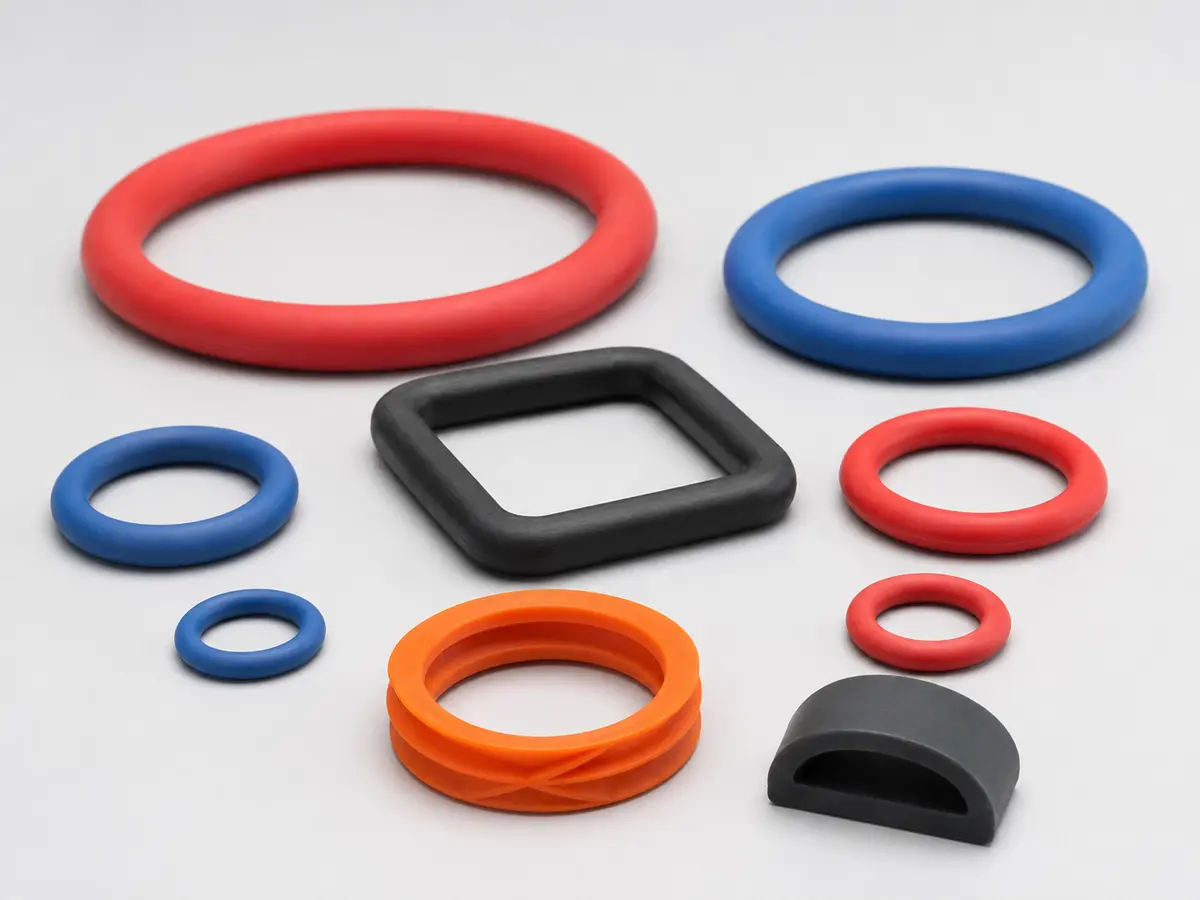
Custom Silicone O-Rings and Precision Seals
Custom-diameter O-rings and application-specific silicone seals for industrial housings and interfaces.
View product details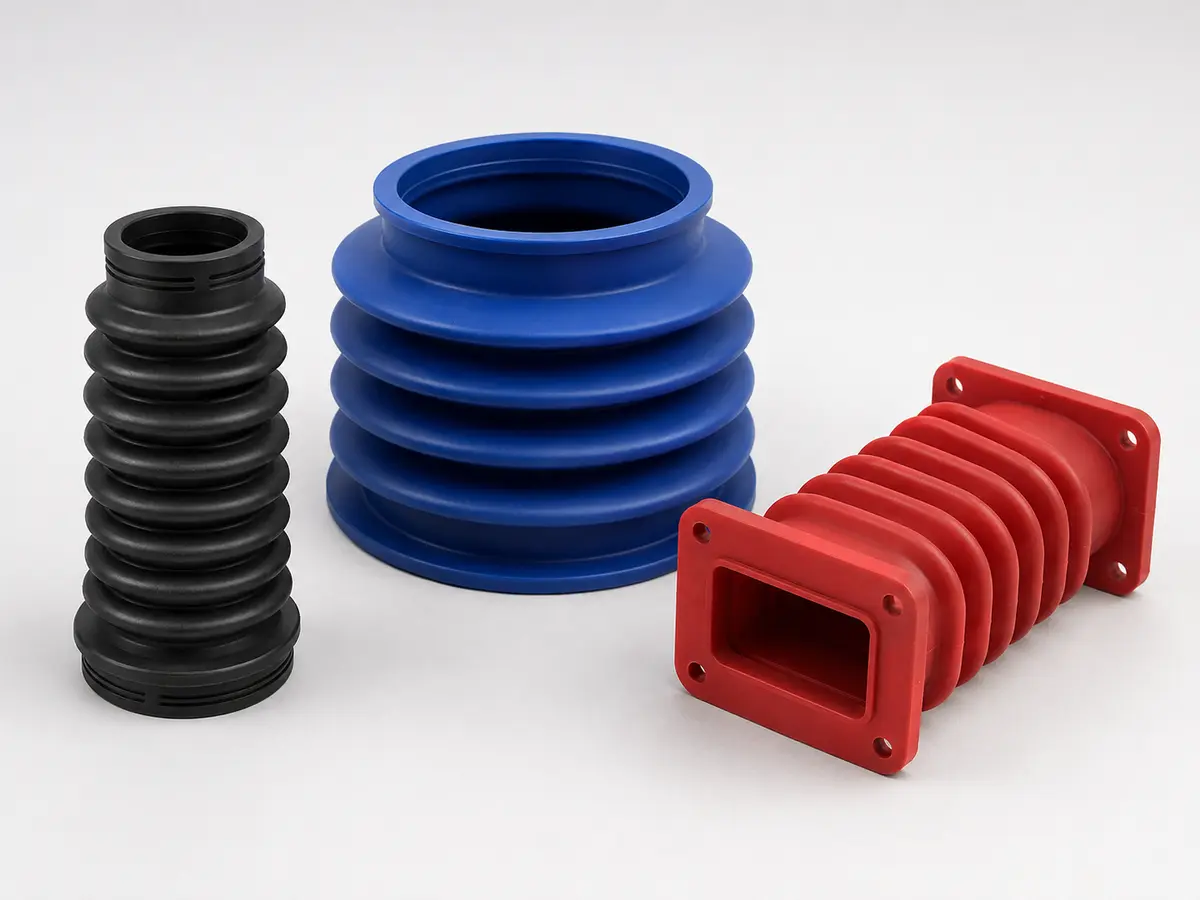
Flexible molded bellows and boots for movement, dust protection and equipment interfaces.
Silicone bellows and dust covers protect moving interfaces while accommodating axial, angular or lateral movement. Convolution profile, wall thickness, compressed and extended length, attachment method and cycle expectation must be balanced to reduce buckling or tearing.
High-Temperature Silicone Bellows and Dust Covers is supplied as a custom B2B component for OEM, ODM and contract-manufacturing programs. It is not a fixed off-the-shelf retail item. Geometry, material, hardness, color, tolerances, inspection and packaging are developed from the customer drawing and the conditions in which the part will be assembled and used. MadeForSilicone reviews the available 2D/3D data before preparing a tooling and production quotation.
| Product | High-Temperature Silicone Bellows and Dust Covers |
|---|---|
| Material route | Silicone rubber selected for travel, temperature and environment |
| Molding process | Compression molding with controlled thin-wall and convolution geometry |
| Customization | Drawing-based dimensions, hardness, color, surface, functional features and inspection plan |
| Typical applications | Actuators, shafts, switches, equipment joints, cable and mechanism protection |
| MOQ | Project-based; evaluated from tooling, material, insert handling, inspection scope and order forecast |
| Supply format | Custom molded component, with secondary operation or subassembly evaluated when specified |
A silicone seal works together with its groove, flange, fasteners and mating surfaces. The review therefore covers squeeze, stretch, pressure direction, surface flatness, engagement length, movement and tolerance stack-up rather than evaluating the seal drawing alone. We identify the functional sealing bead or lip, locating features, compression stops and allowable flash zones, then compare them with the assembly sequence. Designs with sharp corners, abrupt thickness changes or uncontrolled stretch may need adjustment to improve molding, installation and long-term consistency.
For this high-temperature silicone bellows and dust covers program, the first review compares the functional intent with the information listed in the RFQ. The engineering team then confirms which features are critical, which surfaces are cosmetic, where measurement datums should be placed and how the part can be removed from the mold without damaging thin or retained features. Any recommendation is returned for customer approval before tool manufacture.
The preliminary material description is Silicone rubber selected for travel, temperature and environment, and the expected production route is Compression molding with controlled thin-wall and convolution geometry. These entries are a starting point, not a substitute for reviewing temperature, media, cleaning, movement, load, electrical or contact requirements. Exact grades and any special documentation are confirmed in the approved specification.
The silicone formulation and molding process are chosen from temperature, contact media, hardness, geometry, quantity and dimensional priorities. Compression molding is practical for many custom gaskets, bellows and seals; injection routes may be considered for suitable precision or volume requirements. Flat profiles may also be evaluated for cutting when three-dimensional molded features are unnecessary. Color, surface finish, post-processing and packaging orientation are controlled only to the level stated on the drawing and purchase specification.
Quality planning starts with the dimensions and surfaces that create the seal. Typical controls include cross-section or bead geometry, critical diameters, hole position, visual flash limits, material identification and fit in an approved mating fixture. Leak or pressure performance must be evaluated under a defined assembly compression, media, temperature and test duration. A free-state inspection alone cannot prove performance in an unknown housing.
For High-Temperature Silicone Bellows and Dust Covers, a practical control plan may cover the following items. Final limits, gauges, fixtures and sampling frequency are established from the customer drawing, approved samples and purchase requirements.
The usual project sequence is drawing review, technical clarification, quotation, DFM confirmation, tool manufacture, first-article sampling, customer evaluation and controlled mass production. When a physical sample is available, it can support the review, but a controlled drawing is still recommended for repeat orders. Tooling and unit pricing are prepared after material, cavity strategy, secondary operations, inspection scope and forecast volume are understood. Prototype and production timing therefore depend on the actual geometry and approval plan rather than on a generic catalogue lead time.
After sample feedback, agreed changes are recorded before the next trial or production release. Critical characteristics can be linked to an inspection report, mating fixture or functional test by project agreement. This approach gives purchasing, engineering and quality teams one common specification when the part moves from development to repeat production.
Custom sealing parts support enclosure, fluid, air, dust and protective interfaces for industrial OEMs that cannot use a standard catalogue seal without changing the assembly. Typical uses for this product family include:
Please also state prototype quantity, first-order quantity and estimated annual demand. If a requirement is still under development, identify it as a target so it can be separated from a firm acceptance criterion. Drawings and models are handled as project information and are used to evaluate manufacturability, material, tooling and inspection needs.
Yes. High-Temperature Silicone Bellows and Dust Covers is developed from customer requirements. A 3D model plus a toleranced 2D drawing gives the clearest basis for tooling and inspection. A physical sample or mating component can help us understand fit and function, but dimensions, material and acceptance tests should be documented before repeat production.
The initial route is silicone rubber selected for travel, temperature and environment. Options can include round, rectangular and custom-end interfaces and clamping grooves, flanges and pull-through attachment features. The final combination is selected after the operating environment, mating parts and validation method are reviewed; no material grade or compliance claim is assumed without a project specification.
Key factors include part size and complexity, mold cavities, undercuts or inserts, selected material, secondary operations, inspection fixtures, sample quantity and forecast volume. MOQ is therefore project-based. Send the RFQ information above, and we can prepare a manufacturing proposal and quotation for your engineering and purchasing review.
Custom-diameter O-rings and application-specific silicone seals for industrial housings and interfaces.
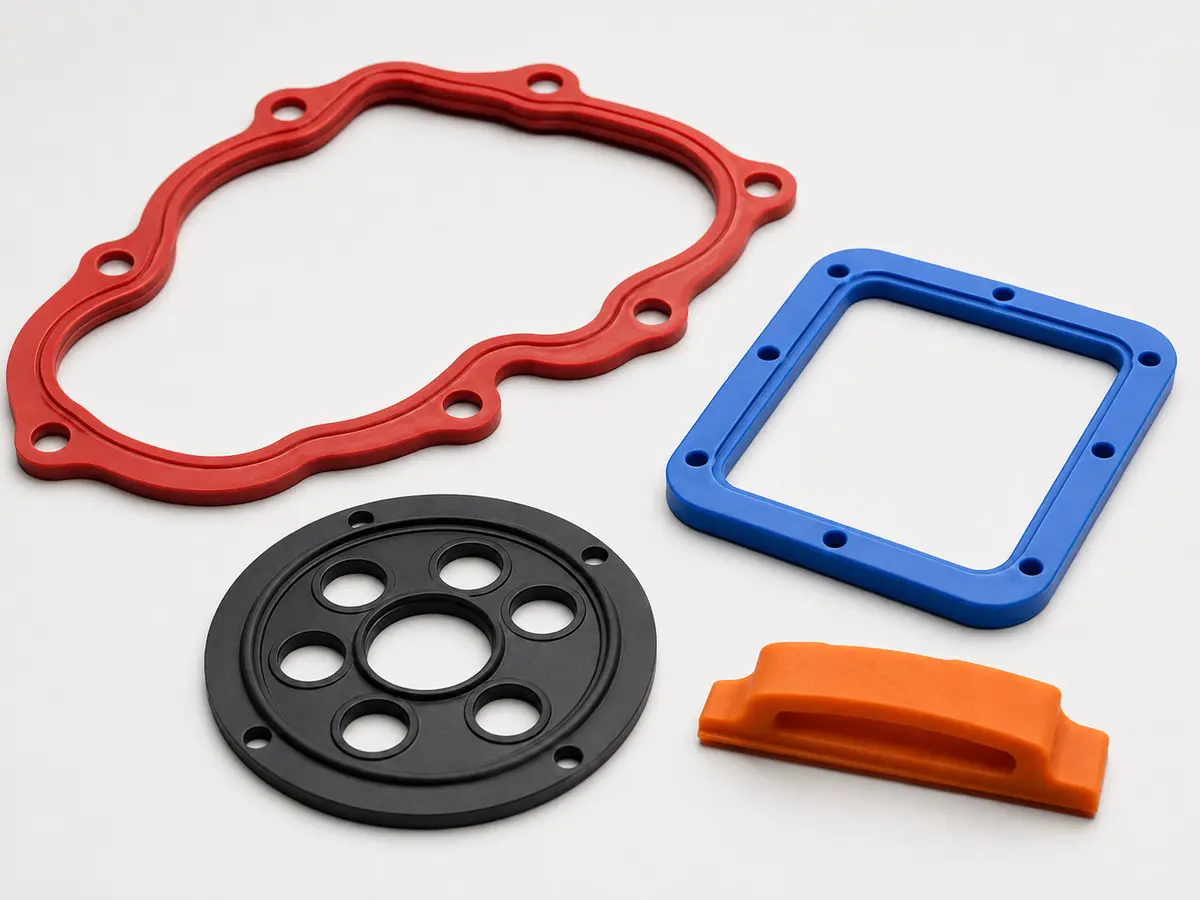
View product detailsFlat and three-dimensional molded gaskets for enclosures, flanges, covers and equipment interfaces.
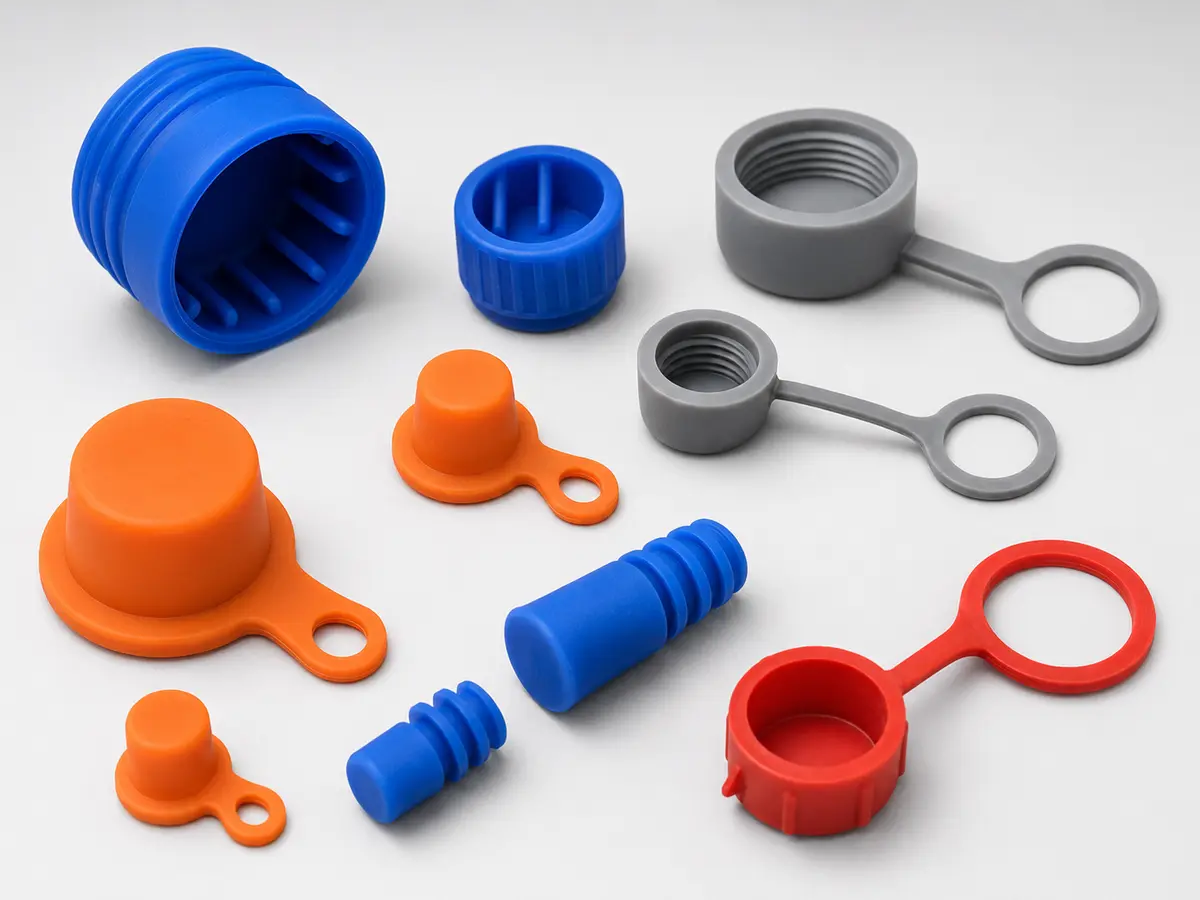
View product detailsReusable or assembly-installed caps and plugs for ports, tubes, fasteners and industrial openings.
View product detailsSend the material, dimensions, application environment and estimated quantity. Our team will review the project and identify the next engineering step.