Medical LSR Overmolded PSU Component for Sterilizable Devices. For Medical sterilization equipment components. Custom medical and healthcare silicone...
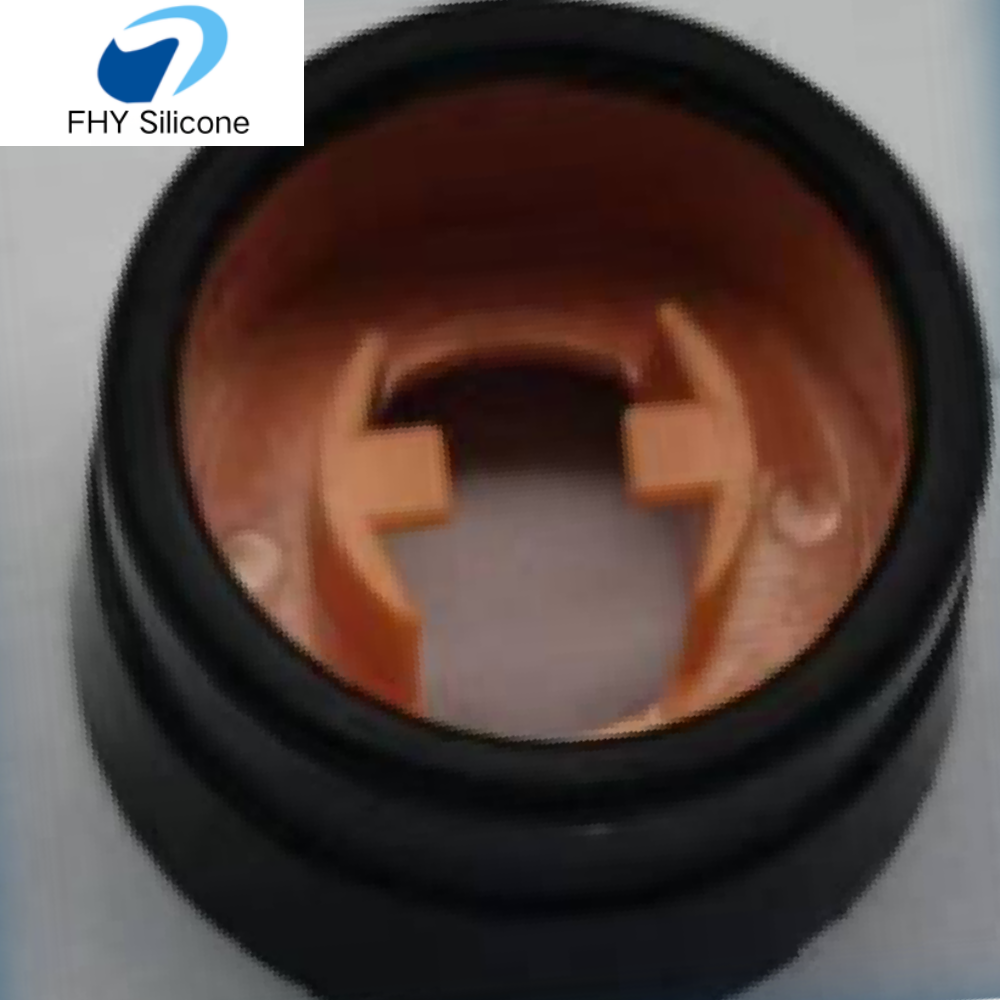
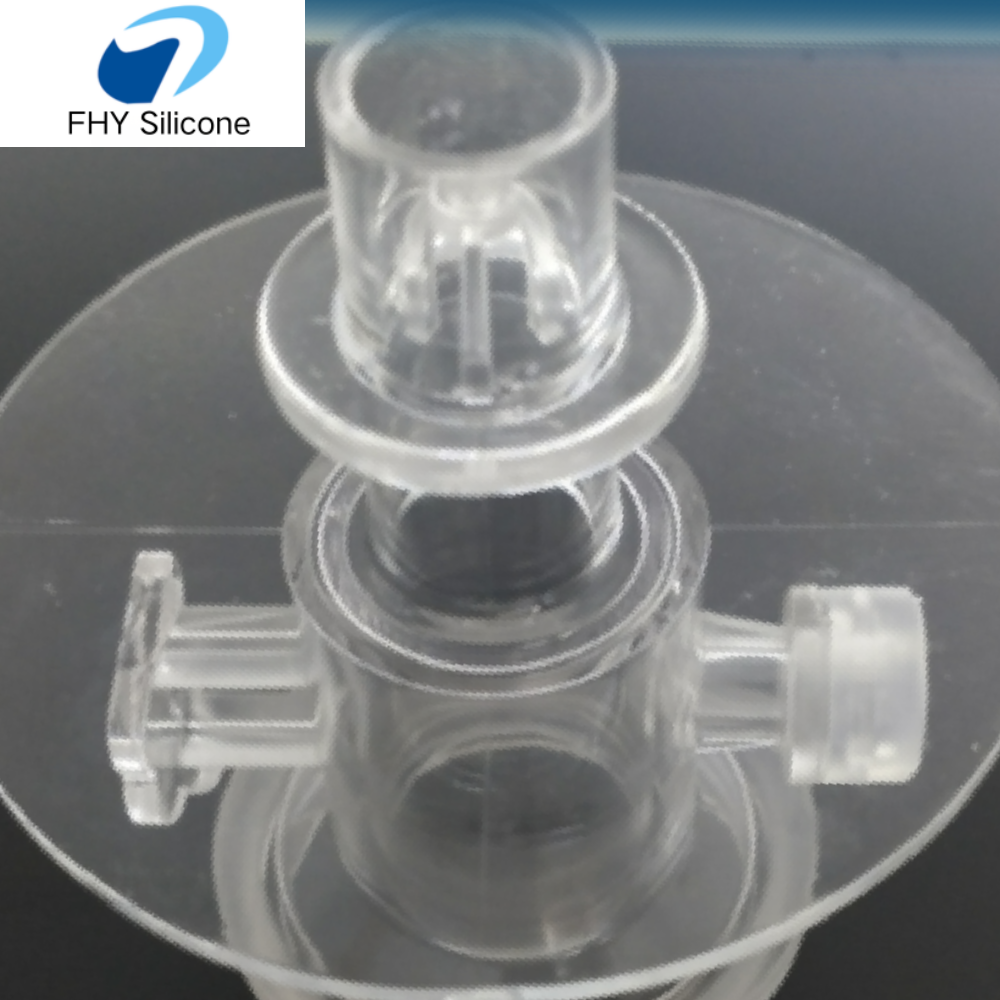
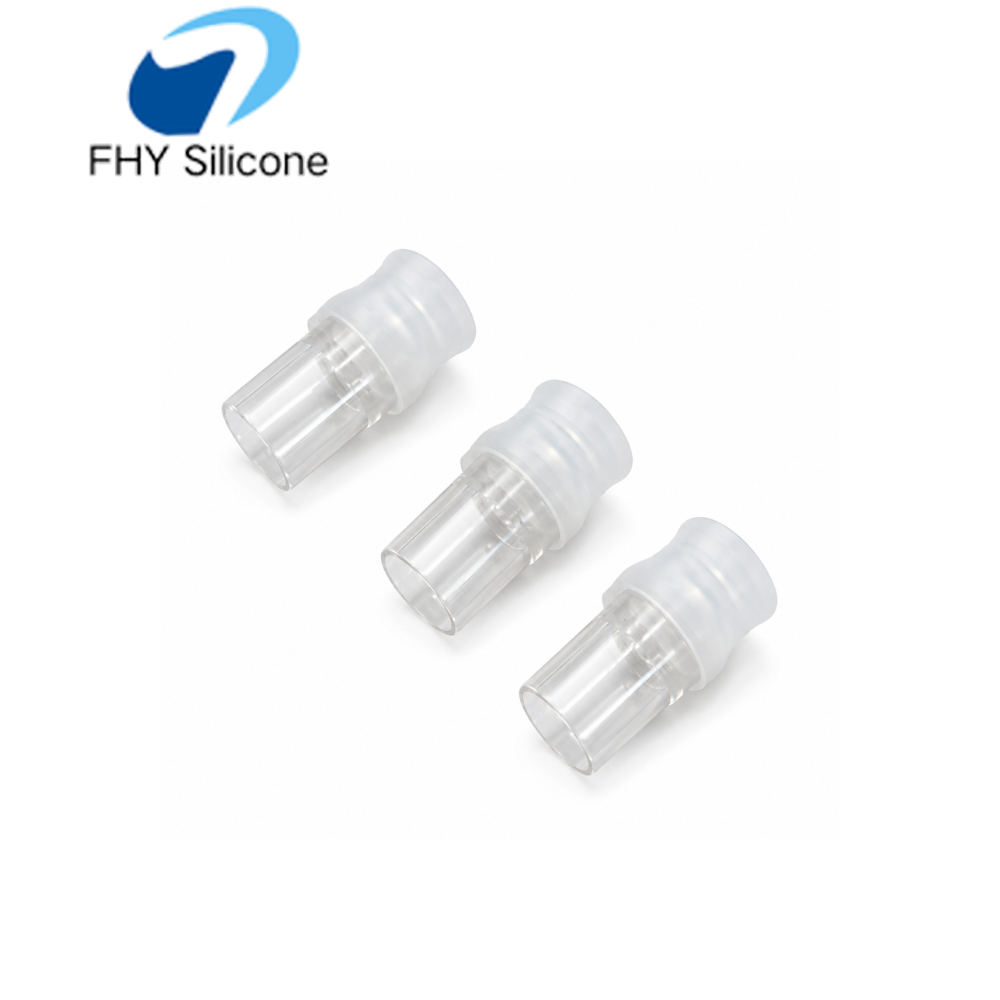
Medical LSR Overmolded PSU Component for Sterilizable Devices is a medical and healthcare silicone component developed for medical sterilization equipment components, surgical and diagnostic device housings, and laboratory fluid handling systems. The configuration combines base material: PSU (Polysulfone / Polyphenylsulfone); overmold material: Liquid Silicone Rubber (LSR); process: Injection Overmolding to address the functional requirements of the surrounding assembly.
The page is structured for B2B sourcing: first the functional highlights, then the documented material or process data, followed by application and customization information where it is available. This makes the technical requirements easier to review during supplier qualification.
Key Engineering Benefits
- The LSR overmold provides biocompatible sealing and flexible interface functionality.
- ISO 10993 compliant
- USP Class VI certified material
- Non-toxic, odorless, and chemically stable
- Developed for direct and indirect medical contact
- The system is optimized for:
- Repeated autoclave cycles
Documented Product Specifications
| Product Name |
LSR Overmolded PSU Component |
| Base Material |
PSU (Polysulfone / Polyphenylsulfone) |
| Overmold Material |
Liquid Silicone Rubber (LSR) |
| Process |
Injection Overmolding |
| Continuous Temperature |
Up to 160°C |
| Sterilization Methods |
Autoclave, EO, Gamma |
| Chemical Resistance |
High (detergents, disinfectants) |
| Biocompatibility |
ISO 10993 / USP Class VI |
| Structure Type |
Rigid PSU + flexible silicone sealing |
Application Areas
- Medical sterilization equipment components
- Surgical and diagnostic device housings
- Laboratory fluid handling systems
- Pharmaceutical processing equipment
- High-temperature fluid control systems
- Reusable medical device assemblies
- Precision medical connectors and seals
Custom Engineering Options
- Yes, PSU grade, silicone hardness, structure design, and sealing geometry can be customized.
Manufacturing Considerations
- The product is manufactured using precision overmolding technology:
- PSU Injection Molding High-performance polysulfone is molded into the structural base.
- Surface Preparation Surface activation improves bonding performance.
- LSR Overmolding Liquid silicone rubber is injected onto PSU substrate.
- Thermal Curing Silicone is cured to form a permanent bonded interface.
- Quality Inspection Sealing performance, adhesion strength, and dimensional accuracy are verified.
Frequently Asked Project Questions
Why choose PSU instead of PC or PA?
PSU offers significantly higher heat resistance and better long-term stability under sterilization conditions.
Is LSR suitable for medical applications?
Yes, medical-grade LSR is widely used in ISO 10993 and USP Class VI certified applications.
Can this product withstand repeated sterilization?
Yes, it is designed for repeated autoclave, EO, and gamma sterilization processes.
RFQ and Drawing Review
Because these components are application-specific, the drawing and assembly conditions remain the controlling documents. The product information above is best used to define the initial RFQ scope and identify the items that need confirmation before tooling or mass production.
Final material, tolerances and performance depend on the drawing, assembly and operating environment. Send your application details for an engineering review.